Why You Wake Up at 3am (And What Your Body Might Be Trying to Tell You)
Waking in the early hours of the morning is something many people experience, yet it can feel strangely isolating when it happens. The house is quiet, the world is still, and suddenly you are wide awake with no obvious reason why.
For some, it happens occasionally. For others, it becomes a pattern, waking somewhere between two and four in the morning, looking at the clock, and wondering why sleep has suddenly disappeared.
There are many possible explanations for this. Stress, changes in hormones, light sleep cycles, and an active mind can all play a part. When the nervous system has been carrying a lot during the day, it often shows up during the night when the body finally has space to process and settle.
From a more traditional perspective, Chinese medicine offers another interesting way of looking at these early morning wake-ups.
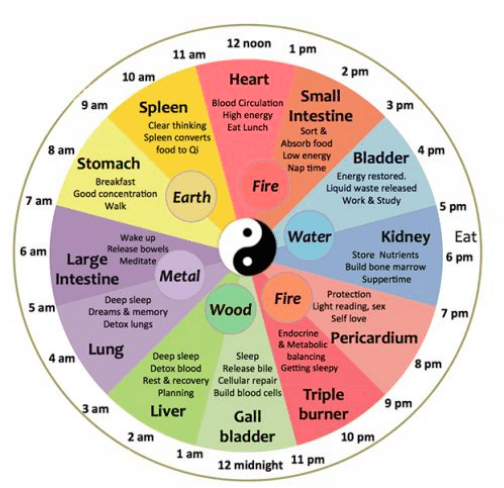
According to the Chinese body clock, the body’s energy moves through different organ systems over a 24 hour cycle. Each organ is believed to have a two-hour window when its energy is most active, and when the body is carrying stress or imbalance, sleep disturbances may occur during those times.
Between 1am and 3am, the body is associated with the liver. In Chinese medicine the liver is responsible for the smooth flow of energy throughout the body and is closely linked with the processing of emotions such as frustration, tension, and stored stress. This is also the time when the body carries out much of its natural detoxification and repair work.
Between 3am and 5am, attention shifts to the lungs. The lungs are connected with breath, oxygenation, and in traditional philosophy, the emotions of grief and letting go. It is also the time when breathing naturally deepens as the body prepares to transition toward waking.
If you regularly find yourself waking around 3am, some traditions suggest the body may be signalling that it is processing emotional or physical stress accumulated during the day.
Whether viewed through the lens of modern science or traditional medicine, the underlying theme is often the same: the nervous system has not fully settled.
Sleep is when the body restores itself. If the mind is busy, the nervous system heightened, or the body still carrying tension, that restoration can become disrupted. The result is a night that feels lighter, more fragmented, or interrupted by unexplained waking.
Supporting deeper sleep often begins during the day rather than the night itself. Creating moments where the body can properly relax, slow down, and move out of a constant stress response can help restore more natural sleep rhythms over time.
Many people find that reflexology encourages this shift. By stimulating specific reflex points in the feet, the treatment supports the nervous system to move into a parasympathetic state (the state associated with rest, digestion, and restoration). It is often during this state that the body begins to release the tension it has been holding.
While waking at 3am can feel frustrating, it can also be a gentle reminder from the body that it may need more support, rest, or space to unwind.
Sometimes the signals our bodies send during the quietest hours are simply asking us to listen.