How to read your feet: signals, sensations, what they tell you
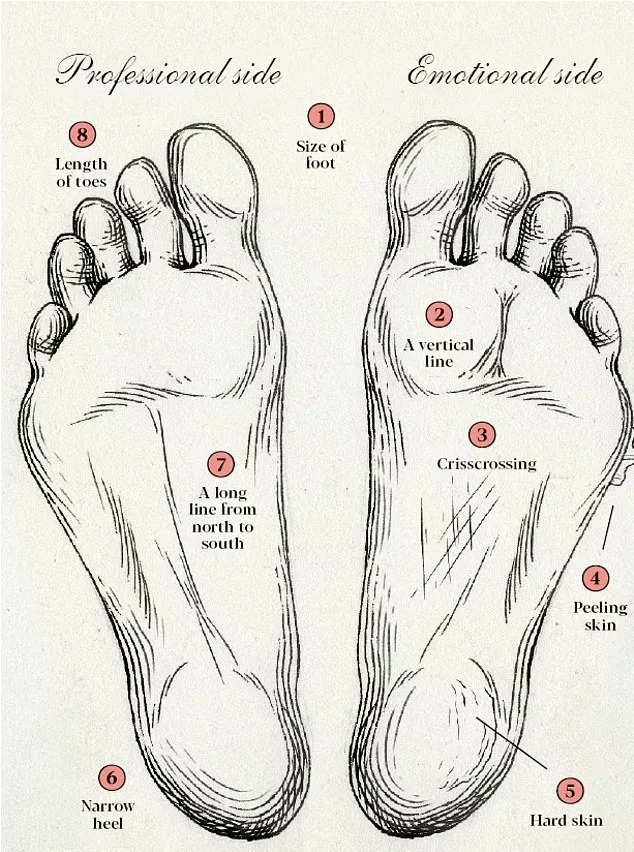
Our feet carry us through life - quietly, reliably, and often unnoticed. Yet beneath every step lies a map: a living record of what’s happening within your body and soul. When we slow down long enough to listen, our feet begin to speak - through temperature, texture, tension, and tenderness.
In reflexology, we see the feet as a mirror of the whole being. Each area corresponds to organs, systems, and emotions. By learning to “read” your feet, you begin to understand your body’s subtle language - the whispers that often come before the shout.
1. The Art of Noticing
Start with simple observation. When you take your socks off at night, don’t rush past your feet. Notice their colour, warmth, texture, and even smell - they all tell a story.
Temperature: Cold feet may indicate poor circulation or an energetic block. Warm or flushed feet can suggest overstimulation or inflammation.
Moisture: Sweaty or clammy feet often signal stress or anxiety, while dry, cracked heels can reflect exhaustion or imbalance in your grounding energy.
Texture: Roughness, calluses, or tenderness may show where energy is being overused or resisted.
This is not about diagnosis - it’s about awareness. Your feet are speaking; your role is simply to listen.
2. Sensations and What They Mean
During reflexology, certain points on the feet may feel tender, grainy, or sensitive. These sensations can act like small signposts.
Tender spots: Areas that ache under gentle pressure may correspond to body parts calling for attention - perhaps tension in the neck or digestive stress.
Grainy texture: Crystals or gritty sensations under the skin can indicate congestion in energy flow or toxins the body is ready to release.
Numbness or absence of sensation: This can suggest disconnection - physically or emotionally - from that part of yourself.
Think of it as your body’s feedback system. Pain isn’t punishment; it’s a message. Curiosity, not judgment, is the key.
3. Emotional Footprints
Just as our physical body stores stress, so do our feet. Every emotion we suppress - worry, fear, grief - has a weight. Over time, it can settle into our tissues and energy pathways.
For example:
The toes are linked to thoughts and decisions. Tension here can indicate overthinking or indecision.
The ball of the foot relates to the heart and chest - tenderness here might reflect emotional strain or protection.
The arch connects to digestion and the processing of life experiences. Sensitivity in this area may reveal what feels hard to “stomach.”
The heel represents foundation and security - pain here can show where we feel unsupported.
When you feel these sensations, breathe into them. They are not flaws to fix but messages to receive.
4. Listening as Healing
Awareness alone begins to bring balance. When we honour what the body is expressing, we create space for release. Try this simple ritual:
Sit comfortably and hold one foot in your hands.
Take a slow breath and gently press into different areas.
Notice what you feel - warmth, resistance, tenderness.
Ask: “What might this be trying to tell me?”
Thank your feet for the message.
Even five minutes of mindful touch can begin to calm the nervous system and restore flow.
5. When to Seek Support
While self-awareness is powerful, deeper patterns sometimes need guided release. Reflexology works by activating these same reflex points to encourage balance in the body’s systems and energy pathways. A session can bring clarity, release, and a sense of returning home to yourself.
If you’re curious about what your feet might be saying, or you’d like help interpreting their messages, I’d love to welcome you into The Soul Library. Together, we can listen, understand, and gently restore the harmony your body is asking for.