Self-Reflexology Techniques You Can Use at Home
Your feet tell a story every day - one of movement, energy, and emotion. While a full reflexology session offers deep restoration, there are simple ways you can connect with your own feet at home. Self-reflexology is a beautiful practice for calming the nervous system, easing tension, and rebalancing energy when life feels full.
At The Soul Library, we believe healing begins with awareness. These gentle techniques are not about perfection or pressure, but about creating a quiet space to listen to what your body needs.
1. Setting the Scene
Before you begin, take a few minutes to create a calm space.
Sit comfortably where you can easily reach your feet.
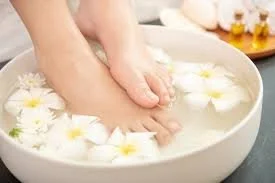
Soak your feet in warm water for a few minutes if you can - this helps soften the tissues and relax the mind.
Add a few drops of essential oil like lavender, peppermint, or frankincense for grounding and calm.
Take a few slow breaths and simply notice how your feet feel before you start.
This small moment of presence begins the shift from doing to being.
2. Start with Simple Touch
Begin by gently holding one foot in both hands. Take a slow breath and feel its warmth, texture, and weight. Rub your palms along the sole, top, and sides to increase circulation.
Use your thumbs to make slow, circular movements across the entire foot, from heel to toes. There’s no wrong way - just move with awareness and curiosity.
You’re not only relaxing the muscles, you’re also awakening the 7,000 nerve endings in each foot that communicate directly with your brain and body.
3. Focus on Key Reflex Points
Once your feet are relaxed, you can begin working into specific reflex areas to support balance and wellbeing.
Here are a few easy zones to start with:
Head and Mind (toes): Use gentle rolling movements across your toes to ease tension and mental overactivity.
Neck and Shoulders (base of the toes): Press and rotate your thumb along the base of each toe to release built-up tension.
Digestive System (arch of the foot): Apply slow, firm pressure with your thumb along the arch. This helps support digestion and encourages emotional release.
Lower Back and Hips (heel area): Use your knuckles or thumb to press into the heel. This can relieve tension and help you feel more grounded.
Move slowly, breathing into any areas that feel tender. Tenderness often means the body is asking for attention - not force, just care.
4. Use Breath as a Guide
As you work through each point, breathe deeply and evenly. Inhale to create space, exhale to soften. If you notice your mind wandering, bring your focus back to the rhythm of your touch and your breath.
The goal isn’t to fix or chase sensations - it’s simply to listen. The body responds best to gentle curiosity, not pressure.
5. Finish with Integration
When you’ve finished, take a moment to rest your hands on your feet. Feel the subtle pulse of energy beneath your palms. Imagine that warmth spreading upward through your body, grounding you from the feet up.
Take a few deep breaths, then slowly stretch and move your toes. Stand up and notice how your body feels - lighter, calmer, more present.
Drink a glass of water to help your body process and release any energetic or physical tension.
6. Create a Simple Routine
You don’t need long sessions. Even five minutes before bed or after a shower can make a real difference. Try focusing on one area each day, or give yourself a full session once a week.
Think of it as time spent reconnecting with yourself - not another task on your to-do list, but a moment of care and grounding.
Your feet are the foundation of your entire being. Through them, you connect to the earth and to yourself.
Self-reflexology is more than touch - it’s a conversation between your body and your awareness. When you take time to listen, your whole system responds with calm, clarity, and flow.